
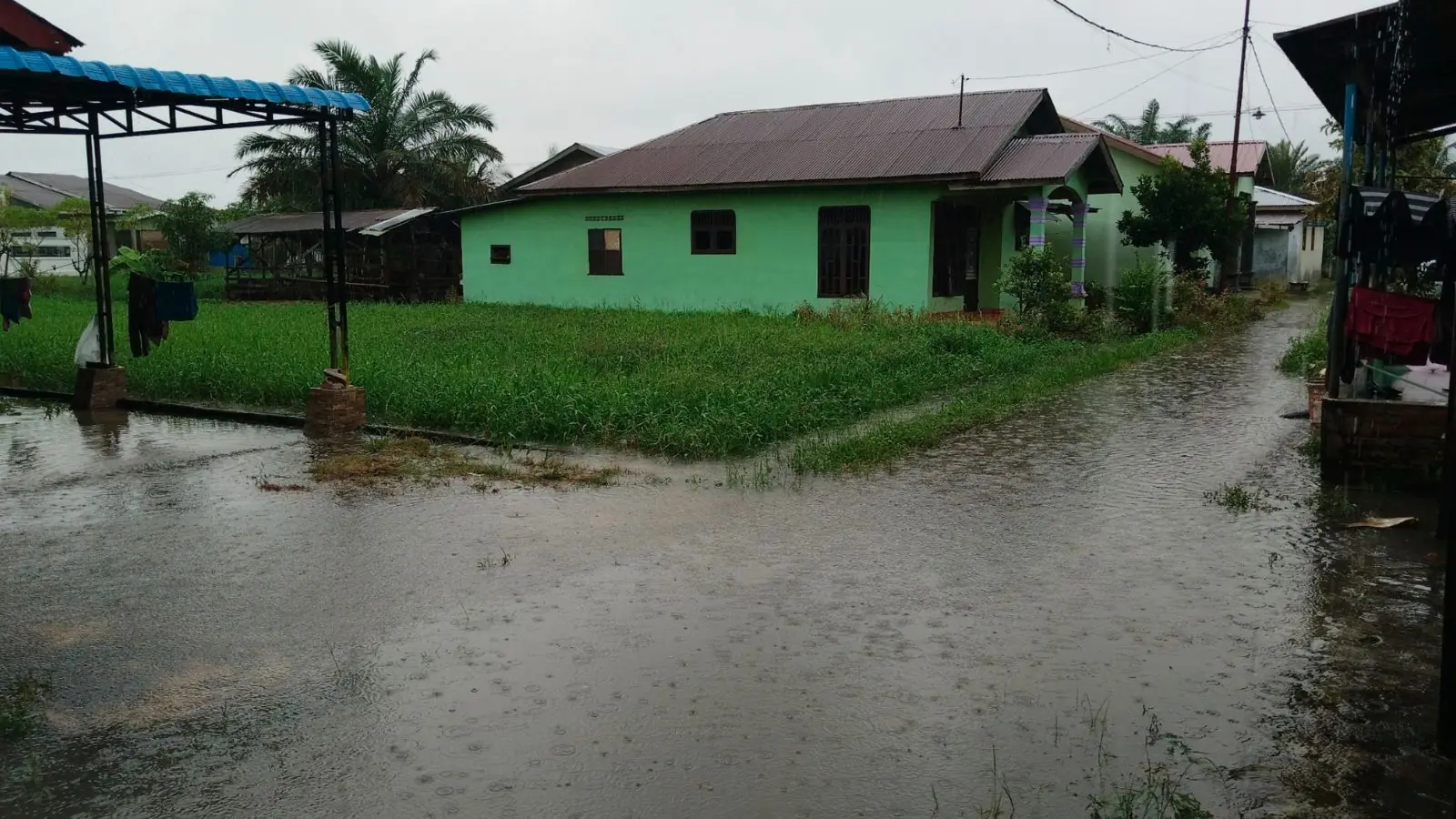
Storm damage emergency: when to act
Act as soon as the storm has passed and the house is safe to move through. Insulation and drywall under an open roof soak up every shower that follows. The first goal is to stop more rain coming in, usually with a tarp or board-up arranged through a roofer, and the second is to get the wet materials drying.
If you see sparking, smell gas or find a downed power line, leave and call 911 or the utility first.
Storms in north Jefferson County
This area knows severe weather. In 2021 an EF-3 tornado with estimated peak winds of 150 miles per hour tracked 10.4 miles through Fultondale and Center Point, according to the National Weather Service office in Birmingham. Its path lay south of Gardendale, but a storm like that does not need to hit your street. The outer wind field strips shingles and drops limbs over a much wider area.
Heavy rain without a tornado causes its own damage. The same office recorded three to five inches across much of central Alabama during a two-day system in 2014. Rain at that rate finds every lifted shingle and unsealed vent boot.
How storm water gets inside
- Missing or lifted shingles and damaged flashing.
- A limb or tree through the roof deck.
- Broken windows and skylights.
- Wind-driven rain behind siding or through gable vents.
- Gutters overwhelmed, with water running down an interior wall.
Rising water from the ground is a different case. That is flooding, and it is covered under flood damage cleanup. A plain roof leak with no storm event sits with ceiling water damage repair.
What the cleanup involves
- Extract water from floors and carpet.
- Remove soaked attic insulation and any ceiling drywall that is saturated or sagging.
- Map moisture in walls and floors with meters and a thermal camera. Wind-driven rain often wets wall cavities with no visible stain.
- Dry with air movers and dehumidifiers.
- Repair ceilings, walls and floors after the roof or siding is fixed.
We handle the water damage inside. Roofing, tree removal and window replacement are other trades, and the order matters: the building must be weather-tight before interior repairs are closed up.
Storm damage by entry point
| Where the rain came in | What is usually wet |
|---|---|
| --- | --- |
| Roof | Attic insulation, ceiling, top of walls |
| Window or door | Wall below the opening, flooring nearby |
| Behind siding | Sheathing, wall insulation, base of the wall |
| Chimney or vent flashing | A ceiling or wall area near the penetration |
What decides the price
The number of rooms affected, how much insulation and drywall has to be removed, flooring involved, drying days and the interior rebuild make up the price. Scope and price are explained before work starts.
Wind and hail damage, and the rain that enters through it, is often covered by homeowners policies, sometimes with a separate wind or hail deductible. Rising flood water usually is not. Check your policy. For your home, call (833) 521-1033.
Storm cleanup for Gardendale and nearby towns
We serve Gardendale 35071 along with Mount Olive, Fultondale, Morris and Kimberly. The Fultondale page has more on that town. Wet walls after wind-driven rain are covered under wall and drywall repair.
Safety steps after the storm
- Do not touch or drive over a downed line. Assume every wire is live.
- Do not use a generator indoors or in a garage.
- Stay off a wet or damaged roof. Leave tarping to a roofer.