
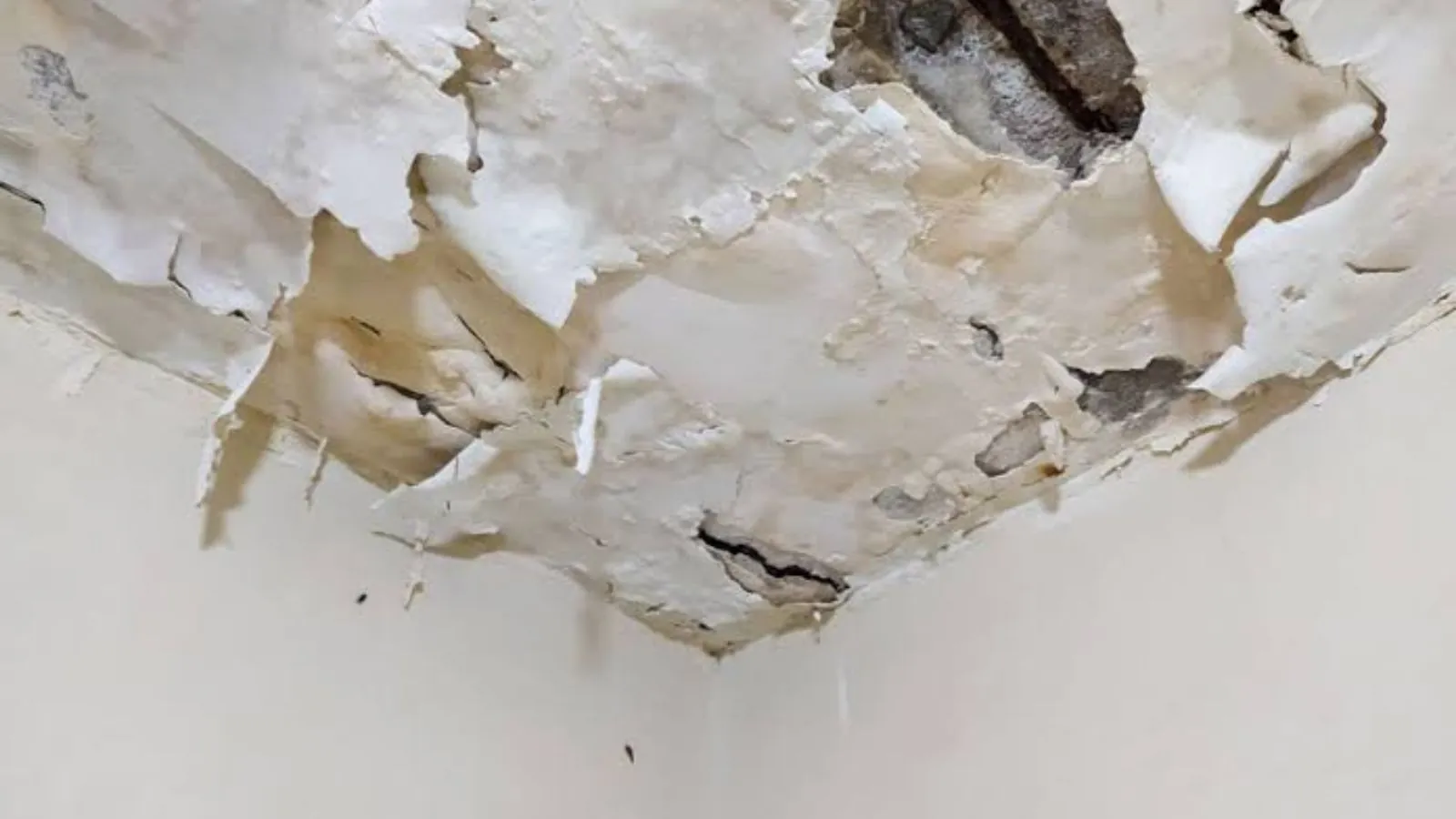
Start with the real size of the damage
The decision is hard mainly because you do not yet know what you are deciding about. A stain the size of a dinner plate can sit over three square feet of wet insulation or over thirty. Before thinking about a claim, find out the extent. A moisture meter and a thermal imaging camera answer that without opening anything.
The deductible test
Find your deductible on the policy declarations page. Then compare.
| Repair estimate against deductible | Usual thinking |
|---|---|
| --- | --- |
| Below the deductible | No payout is possible. A claim gains nothing |
| Slightly above | Small payout. Weigh it against having a claim on record |
| Well above | A claim is what the policy is for |
Some policies have a separate, higher deductible for wind and hail. Check which applies to your cause of loss.
Sudden or gradual?
Insurers commonly cover sudden and accidental water damage and decline slow leaks treated as maintenance. A supply line that failed last night is one case. A shower pan that has seeped for a year is another. If the damage is clearly gradual, a claim may be denied and still sit on your record as a reported loss, depending on the insurer. Ask how they treat a claim that is opened and not paid.
Does a claim affect your premium?
It can, and insurers differ. Loss history is one of the things companies look at when pricing and renewing policies. The honest answer is that we do not know how your insurer will respond. Your agent does. It is reasonable to ask an agent a general question about how claims affect rates. Ask also whether that conversation itself gets logged as a claim.
A simple decision path
- Stop the leak and dry what you can.
- Photograph everything, even if you are not sure you will claim.
- Get the extent measured and an itemized estimate.
- Compare the estimate with your deductible.
- Decide whether the cause looks sudden or gradual.
- If it is well above the deductible and sudden, report it promptly.
- If it is small, pay for the repair and keep the records.
Do not let the claim question delay drying
Whatever you decide, the wet materials need attention now. Policies expect you to limit further damage, and a small leak left damp turns into a larger repair with mold added. Photos taken before cleanup preserve your option to claim later, as long as you report promptly once you know the size. Late notice is a common reason for trouble with claims.
Small leaks in Gardendale houses
Two local points. First, humidity. In Gardendale's long humid season a small damp area does not dry on its own as it might in a dry climate. The U.S. EPA advises drying wet materials in 24 to 48 hours to help prevent mold growth, so "wait and see" is a poor plan here.
Second, house type. Many Gardendale homes are on hillsides with a lower level, and a leak upstairs can travel down inside a wall to a finished room below before it shows. In homes with a crawl space, a small plumbing leak drips where nobody looks. Check the level beneath the leak, not only the room where you first saw it. The same applies in older houses in Morris and Kimberly.
When a small leak is not small
- The stain is growing or returns after drying.
- A musty smell develops.
- Flooring nearby lifts, cups or feels soft.
- Baseboards swell.
- A ceiling below shows a mark.
Any of these means water travelled. At that point the repair estimate usually moves well past the deductible, and the claim question answers itself. For leaks traced to a failed line, see our burst pipe water damage page for the cleanup side.
What to keep, whether you claim or not
Keep dated photos, the plumber's invoice showing the cause, moisture readings before and after drying, and receipts. If you sell the house, a buyer's inspector may ask about an old stain, and a tidy file showing it was found, fixed and dried is worth having.
We are not insurance advisers. Coverage depends on your policy, so put these questions to your insurer or agent.